Ask anyone who has set up a backyard bounce house on a Saturday morning, and they will tell you: the party starts long before the first child zips up the entrance. The real work lives in the quiet details, the permit that keeps an event officer happy, the extension cord that actually carries enough juice, the turnaround space for the delivery truck. When those pieces click, your inflatable rentals feel effortless, even when you’re juggling a birthday cake, a nervous dog, and a dozen excited kids.
I’ve managed installs in tight city courtyards, windy school fields, and sloped suburban lawns. The same themes come up every time. Permits short-circuit headaches. Power is physics, not guesswork. Placement decides whether your party inflatables run smoothly or you spend the afternoon resetting breakers. Here’s how to cover the logistics with confidence, whether you’re booking a toddler bounce house rentals package or an ambitious obstacle course inflatables setup for a school carnival.
Start with your event footprint
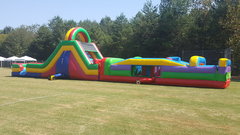
Before you get attached to a specific inflatable bounce house, sketch the space. The footprint of a unit includes more than the bounce surface. Think blower clearance, stake or ballast zones, entrance area, and safety buffers. A backyard bounce house for small parties might claim a 13 by 13 foot play area, but with tie-downs and safe perimeters, you really want closer to 18 by 18 feet. Bigger event inflatable rentals like combo bounce house rental units with slides can stretch 20 by 20 feet or more, and obstacle course inflatables run long, often 30 to 65 feet.
Measure the narrowest access point to your yard. A standard 36 inch gate is usually fine for most jump house rentals, since units arrive rolled and strapped like very heavy burritos that ride on dollies. But a 24 inch garden gate can stop you cold. I’ve turned down jobs at the last minute because a fence corner blocked a 30 inch roll and there was no alternative path. If access is tight, talk to the vendor about modular units or a smaller inflatable. It beats removing a section of fence at dawn.
Surface matters, too. Grass is the most forgiving, concrete works with proper ballast, synthetic turf is okay if a vendor uses turf-safe weights and ground cloths, and dirt fields can be fine if the area is raked free of sharp debris. Mulch beds are a bad idea, gravel is worse, and sloped lawns lead to frustration. Most companies will not install on a slope greater than about 5 to 7 degrees. If you’re not sure, put a ball on the ground. If it rolls more than a few feet on its own, the slope needs rethinking.
Permits are not optional if you’re on public property
Private homes rarely require permits for a single inflatable, though HOAs sometimes ask for notice. The calculation changes once you’re at a public park, school, church lot, or city plaza. Park departments often require:
- A reservation or event permit for the picnic area or field, which may include a line in the application about inflatable play structures.
You might also need proof of liability insurance with the city named as additional insured. Reputable vendors carry at least 1 million dollars per occurrence and 2 million aggregate coverage. They can send a certificate within a day or two, sometimes same day if they have a digital portal. Check deadlines. Some parks need paperwork five business days ahead. If you plan to use a generator, the permit may specify fuel storage and distance from crowd areas.
Parents sometimes try to dodge the permit step and “just show up.” I’ve watched rangers shut down unpermitted setups mid-party. Save yourself the stress. If you’re booking a bounce house rental near me for a park, start the permit conversation the same day you check availability. For school or church events, the PTAs and facilities managers usually have a preferred vendor list. If you stick to it, the insurance documents and inspection tags are already on file.
The power puzzle: breakers, blowers, and extension cords
Most inflatable slide rentals and standard bounce houses run off 110 to 120 volts, the same circuit as a household outlet. The catch is amperage. A typical 1 to 1.5 horsepower blower draws roughly 8 to 12 amps while running, with a higher startup surge. Larger units and obstacle courses can need two blowers, sometimes three. Plug all of that into one outdoor outlet that shares a circuit with your kitchen fridge, and a bounce house will pop the breaker the first time the blower surges and someone uses a blender indoors.
Scenarios I’ve seen go wrong often look like this: two blowers on a single 15 amp circuit through a 100 foot bargain extension cord. The cord heats up, voltage drops under load, the https://www.justajumpininflatables.com/category/obstacle-courses/ blowers wheeze, and the inflatable softens just enough to become unsafe. That is not user error, it’s physics.
The fix is simple planning and better cables. A 12 gauge heavy-duty extension cord up to 50 feet keeps voltage drop tolerable. If you must stretch to 100 feet, move up to 10 gauge. Anything thinner becomes a bottleneck. For multiple blowers, split circuits. Ask the vendor how many blowers your unit uses and the amp draw per blower. Then point them to separate exterior outlets that feed different breakers. If you can’t confirm circuits, the delivery crew can test with a small outlet tester and a bit of trial and error.
Generators fill the gap at parks or large fields. A quiet inverter generator sized at 3500 to 7000 watts often covers one to two blowers, depending on model. For big event inflatable rentals, vendors bring towable generators with multiple 20 amp and 30 amp outputs. Fueling rules vary, but you want the generator at least 15 feet from the inflatable and away from foot traffic. Set it on level ground, protect cords with mats or cable covers, and keep the exhaust pointed away from people. If noise is a concern for toddlers or sensory-sensitive guests, ask for a lower-decibel inverter unit, and position it behind a structure if possible.
Weather calls that keep kids safe
Rain is inconvenient. Wind is dangerous. Every vendor I trust sets a hard stop on wind, usually 15 to 20 mph sustained winds, sometimes lower for tall inflatable slide rentals or open-top units. Gusts matter more than average speeds. A calm afternoon with 25 mph gusts can flip a small unit, even when staked. If a forecast shows gusts above safe limits, expect a cancellation or a swap to a lower profile inflatable. This is not the vendor being difficult. Anchors resist steady forces well, but gusts act like jerks on a leash, yanking tie points and lifting corners.
Light rain alone won’t cancel most setups. It does change the play plan. Vinyl is slick when wet, especially on slides. For birthday party inflatables with a slide, you may be asked to pause use until it dries. Towels help. Leaf blowers help more, and many crews carry them to dry surfaces quickly after a passing shower. Lightning is a full stop. If you hear thunder, take kids out and unplug blowers until the storm passes. Build a buffer into your schedule for weather delays.
Hot days pose another challenge. Dark vinyl heats up quickly in full sun. For toddler bounce house rentals or events with younger kids, shade makes the difference between fun and tears. A pop-up canopy over the entrance zone keeps the floor tolerable during midday hours. Ask your vendor if the unit can be oriented so the sun hits a wall rather than the entrance flap. This small switch lowers interior heat by a few degrees.
Placement choices that prevent problems
The cleanest installs follow a simple logic. You want a level surface, safe overhead clearance, secure anchoring, and sensible traffic flow. Those principles apply to a backyard bounce house or a multi-piece combo bounce house rental.
Overhead clearance is easy to underestimate. Low branches and gutter lines create snags during inflation. Most standard units rise 13 to 15 feet, taller slides can reach 18 to 22 feet. Give yourself at least two feet of extra headroom. If branches drape the canopy area, prune beforehand. Do not rely on the setup crew to trim. They will not cut trees or remove obstacles beyond minor repositioning.
Traffic flow matters when you have multiple attractions. If the entrance and exit of a slide feed into the same narrow yard gap, you’ll have pileups and frustrated kids. Arrange entries so waiting lines form along fences or edges, not across the middle of your party. For bigger gatherings, create a one-way loop with simple visual cues, cones or chalk arrows. A little structure keeps the peace, especially with mixed ages.
Stake or weight placement is non-negotiable. On grass, 18 inch steel stakes or longer sink at the corners and on D-rings along the base. On asphalt or concrete, water barrels or sandbags provide ballast. Each anchor point serves a purpose. If a setup looks under-anchored, ask the crew to walk you through the tie points. You should see symmetry. A corner with no tie-down invites movement under lateral loads.
Choosing the right unit for your crowd
The fanciest inflatable won’t save a bad fit. Start with age range and headcount. A toddler party with ten kids under five does better with a smaller, enclosed play house with low walls and soft pop-ups than a towering slide. Older kids want height, speed, and a challenge. A 30 foot obstacle course inflatables lane can move a long line without cranky waits, because two kids enter at once and race through.
Space and supervision shape the decision. Combo units that include a bounce area, a mini climb, and a short slide feel like two attractions in one, but they also concentrate traffic. If you have room, two smaller units sometimes flow better than one large combo. For mixed ages at family events, pair a toddler-safe bounce with a mid-size slide. Teens will gravitate to the slide, little ones will bounce without getting shouldered out.
Don’t ignore themes and visibility. Bright colors and castle tops photograph well, which is either a feature or a bug depending on your neighborhood. Some clients prefer neutral color palettes for weddings or corporate events. Vendors carry gray or white event inflatable rentals designed to blend into decor. If you care about photos, ask for recent pictures of the exact unit, not a catalog rendering. Vinyl fades and seams vary across manufacturers.
Safety briefings that stick
Every good delivery crew gives a safety rundown, but it helps to reinforce the rules with a quick parent briefing. Shoes off, no flips, no wrestling, and no adults with drinks inside the unit. Keep an eye on capacity. A basic 13 by 13 foot inflatable bounce house handles six to eight small kids, or four older kids. More bodies feel manageable at first, then chaos escalates quickly and an ankle twist becomes more likely.
Assign a watcher. The best setups have one reasonable adult supervising during peak play, rotating every 30 to 45 minutes. On slides, the rule is one at a time, feet first, and clear the landing before the next child descends. Bring a roll of painter’s tape or a bright cone. Mark a clear waiting line that stops a few feet from the entrance, enough space to keep jumpers from tripping over the line of shoes.
Jewelry and glasses are stealth hazards. A simple “no sharp objects” rule should include hair clips, belts with metal buckles, and costume swords that somehow make it past the front yard. I’ve patched more liner scuffs from belt studs than anything else.
Water, foam, and other special setups
Water slides are a different animal. They need drainage planning and often require a garden hose connection and continuous water flow. The landing zone will get muddy unless there’s a proper splash pad. Expect 50 to 150 gallons of water in the pool area at any moment, plus runoff across your lawn. If your yard slopes toward the house, reconsider. Aim water flow downhill toward a safe, permeable area.
Foam cannons and foam parties bring unique fun and unique mess. Foam isn’t soap-free magic. It’s typically a surfactant solution that becomes slippery, especially on decks and stone. Limit foam to grass or mats, and keep extra towels on hand. Ask the vendor about the solution brand and whether it’s plant-safe, then avoid oversaturating delicate landscaping.
Working with your vendor like a pro
A reliable company asks as many questions as you do. They want to know where, how many guests, ages, dates, surface type, power availability, and access details. When you hear thoughtful follow-ups about circuit load or distance to the setup site, you’re in good hands. When you hear only “What time should we drop off?”, be cautious.
Request proof of insurance and any inspection or certification tags if your state requires them. Some states regulate amusement devices and require annual inspections of inflatable play structures. That sticker on the blower tube is not decoration. It documents compliance. If you’re renting for a municipal event, your procurement office may insist on it.
Ask about cleaning and turnaround. High-traffic units should be sanitized after every use. Stains on the exterior are not a red flag by themselves, but a musty smell or visible grime is. Don’t be shy about refusing a dirty unit. Professional operators keep vinyl clean, seams patched, and blower tubes free of debris.
If you’re searching phrases like bounce house rental near me or kids party rentals and comparing websites, look for clear specs. The best listings include dimensions, power requirements, age recommendations, and real photos. Inflatable party packages can be a bargain for larger events, bundling a combo unit with a concession and a small game, but read the fine print on delivery fees and extra hours. Some companies quote for six hours, others for a full day. Clarify your window and their pickup flexibility.
Day-of game plan that saves time
Move cars off the driveway and clear the path to the setup area before the truck arrives. Dogs should be secured indoors or in a back room during the walkthrough and initial inflation. I speak from experience: an enthusiastic retriever tangled in a blower cord becomes the whole event’s problem.
Have your power plan ready. Know which outlets you want to use and what else is on those circuits. If the crew brings generators, indicate where they can sit with a straight run to the blowers. Wet grass muddles heavy dollies, so a couple of plywood sheets or ramp boards help in soggy conditions.
Keep a small kit handy: duct tape for carpet edge protectors, painter’s tape for lines, a handful of towels for quick dry-offs, a bottle of sanitizer, and a broom or blower for debris. These little tools reduce downtime. If the unit will be up after dusk, consider lighting. A shop light or string lights around the play zone makes the area safer and friendlier.
Troubleshooting without panic
If a blower trips, the inflatable will sag fast. Kids should exit calmly. Check three things in order: the blower switch, the plug at the blower, and the breaker. If the breaker tripped, unplug everything else on that circuit and try again. Persistent trips suggest a shared load or a long, thin extension cord creating voltage drop. Swap to a heavier gauge or a shorter run if possible. Do not daisy-chain multiple cords. Each connection adds resistance and heat.
A slow leak sounds scarier than it is. The blower supplies constant air, and the vinyl isn’t airtight by design. Seams breathe a little. A hiss can be normal. A flap that suddenly inflates or a corner that softens could point to a loose zipper or a Velcro flap near a blower tube. Walk the base and gently tug each zipper pull to confirm it’s seated. If you find a tear, stop use and call the vendor. Most small punctures can be patched quickly, but that’s their job.
Wind picking up? Lower tall slides first. Tall units catch more wind and become unsafe earlier than low-profile bouncers. If gusts push to unsafe levels, power down and wait. You won’t regret erring on the cautious side.
Budget and value without cutting corners
Price ranges vary by region, but a standard weekend rental for a 13 by 13 bounce averages in the low hundreds. Add more for combo units, obstacle courses, and inflatable slide rentals. Delivery distance, stairs, and limited access can add to labor costs. Generators are typically an extra fee. Inflatable party packages bundle value, especially for community events that need multiple attractions and a generator included.
The cheapest listing is rarely the best value. Professional outfits invest in safe anchoring, quality cords, insurance, and trained staff. They answer the phone at 7 a.m. when you’re staring at a locked park gate. That responsiveness is baked into their price. If your event matters, pay for reliability.
Edge cases that deserve extra thought
Urban rooftops with parapet walls might look perfect, but many vendors will decline unless a structural engineer clears the load and there’s appropriate ballast and egress. Residential rooftops are not viable. Indoor gyms are fantastic for weatherproof parties, but confirm ceiling height, door width, and floor protection. Tape down tarps and protect wood floors from foot traffic.
If you’re planning around naps or special needs, choose quieter blowers and avoid echo chambers near walls. For neurodivergent kids who love the motion but dislike the noise, smaller enclosed units with a single blower and soft interior features work best. Schedule time slots by age or sensory preference if the crowd allows it.
For tight timelines, consider an early delivery the evening before. Many vendors offer flexible drop-offs when schedules permit. You get a calmer setup and more buffer for last-minute changes. Confirm the pickup time, in writing, and plan for an adult to be present.
A simple pre-booking checklist
- Measure the space, access path, and overhead clearance, and note the surface type. Confirm power sources: circuit availability, outlet locations, and acceptable cord lengths and gauges. Verify permit requirements and insurance documentation for parks or public venues. Match the unit to your crowd’s age range, headcount, and traffic flow. Discuss weather policies, cancellation windows, and backup options with the vendor.
Tape this to your fridge and the rest falls into place.
When the logistics disappear, the joy shows up
I remember a park event where a parent group booked a modest combo and an obstacle lane. We split power across two generators, positioned units to create a natural loop, taped simple arrows on the grass, and set a shaded rest zone near the snack table. The wind kicked up briefly around noon, enough to pause the slide for 20 minutes. No one fussed because the flow made sense and the marshals at each entrance knew what to do. The party felt easy because the planning was disciplined.
That is the sweet spot. The kids remember the thrill and the laughter, not the permit e-mail or the 12 gauge cord. Your job is to make sure those invisible details are solid. Whether you’re browsing for jump house rentals for a backyard celebration or assembling a roster of event inflatable rentals for a school fundraiser, a little logistics makes a big, happy difference.